
Debt doesn't have to be the end of the story.
If personal debt has become overwhelming, you have more options than you think. Finding out where you stand starts with one free, confidential conversation. No judgement. No obligation.
What personal bankruptcy actually is
Bankruptcy is a formal, legal process that releases you from most unmanageable debts and stops creditors chasing you. In Australia it usually lasts three years and one day, and it's overseen by a registered trustee who administers everything on your behalf.
It isn't a punishment, and for many people it's the step that finally lets them sleep at night. It does come with responsibilities and some longer-term effects, so it's worth understanding clearly before deciding — which is exactly what a first conversation with us is for.
Importantly, bankruptcy is only one path. In many cases there are less formal alternatives that achieve a similar result with fewer consequences.
What a fresh start can give you back
The point of any of these options is the same: to lift the weight and give you room to breathe again.
Breathing space
Creditor calls, letters and legal action stop, so the pressure eases straight away.
Keep earning
You can keep your job and keep working — most people continue to earn as normal.
Certainty
A clear process with a defined end date, so you know exactly where you stand.
Alternatives first
Bankruptcy isn't the only path — we'll always explore the less formal options with you.
Three practical ways forward
Every situation is different. On your first call we'll help you understand which of these fits your circumstances — in plain English, with no pressure.
Informal Debt Restructuring
Sort things out privately, without a formal process.
We negotiate directly with your creditors on your behalf: repayment arrangements, standstills or compromises tailored to what you can actually afford. It's flexible, discreet, and can help protect your assets and credit standing.
Best if you can service some debt with breathing room, and want to keep things private.
Personal Insolvency Agreement
A formal alternative to bankruptcy.
A legally binding arrangement with your creditors that lets you compromise or repay debts over agreed terms, while avoiding the wider consequences of bankruptcy. As Registered Trustees, we structure a proposal that's fair, compliant and realistic.
Best if you want a structured settlement and to steer clear of full bankruptcy.
Bankruptcy
A clean slate and a genuine fresh start.
A formal framework that ends unmanageable debt and stops ongoing creditor action. A trustee administers the process from start to finish. It carries obligations, but it also brings certainty, relief, and a defined path back to stability.
Best if debt is beyond repayment and you need a definite end to creditor pressure.
Common myths, honestly answered
A lot of the fear around personal insolvency comes from things that simply aren't true. Here's the reality.
Not so. Ordinary household goods, tools of trade and a reasonable vehicle are protected, and what happens to property depends on your equity.
You can keep working and earning. Only income above an indexed threshold may need to be contributed, and most people are unaffected.
Your enquiry with us is completely private. While bankruptcy is recorded on a national register, it isn't advertised in the newspaper or to people you know.
It's the opposite — for most people it's the reset that lets them rebuild. There is a clear end date and a defined path back to stability.
What happens when you get in touch
Reaching out is the hardest part. Here's exactly what to expect, so there's nothing to be anxious about.
A free, confidential call
Tell us what's going on, in your own words. Everything you share stays private, and there's no cost and no obligation to go further.
We explain your options
We review your situation and walk you through the paths available — the pros, the trade-offs, and what each one really means for you.
We handle it from here
If you decide to proceed, we manage the process and deal with the creditors, so you can stop worrying and start moving forward.
Real people, on your side, when it matters most
Financial trouble is stressful and isolating, and it's rarely just about money. We've guided many individuals through the hardest financial moments of their lives with discretion, genuine care, and straight answers.
We won't judge you, and we won't bury you in jargon. We'll tell you where you stand and give you a clear way forward.
 Registered Trustees in Bankruptcy
Qualified, independent, and accountable
Personal insolvency is regulated for good reason. As Registered Trustees we work to strict statutory standards, which means independent advice you can rely on and a process handled properly, start to finish.
“[Placeholder: insert a real client testimonial here. Do not invent one.]”
You'll deal with the people whose name is on the door
Every enquiry is handled personally by one of our founders — Registered Trustees with decades of experience. No handballing to junior staff.

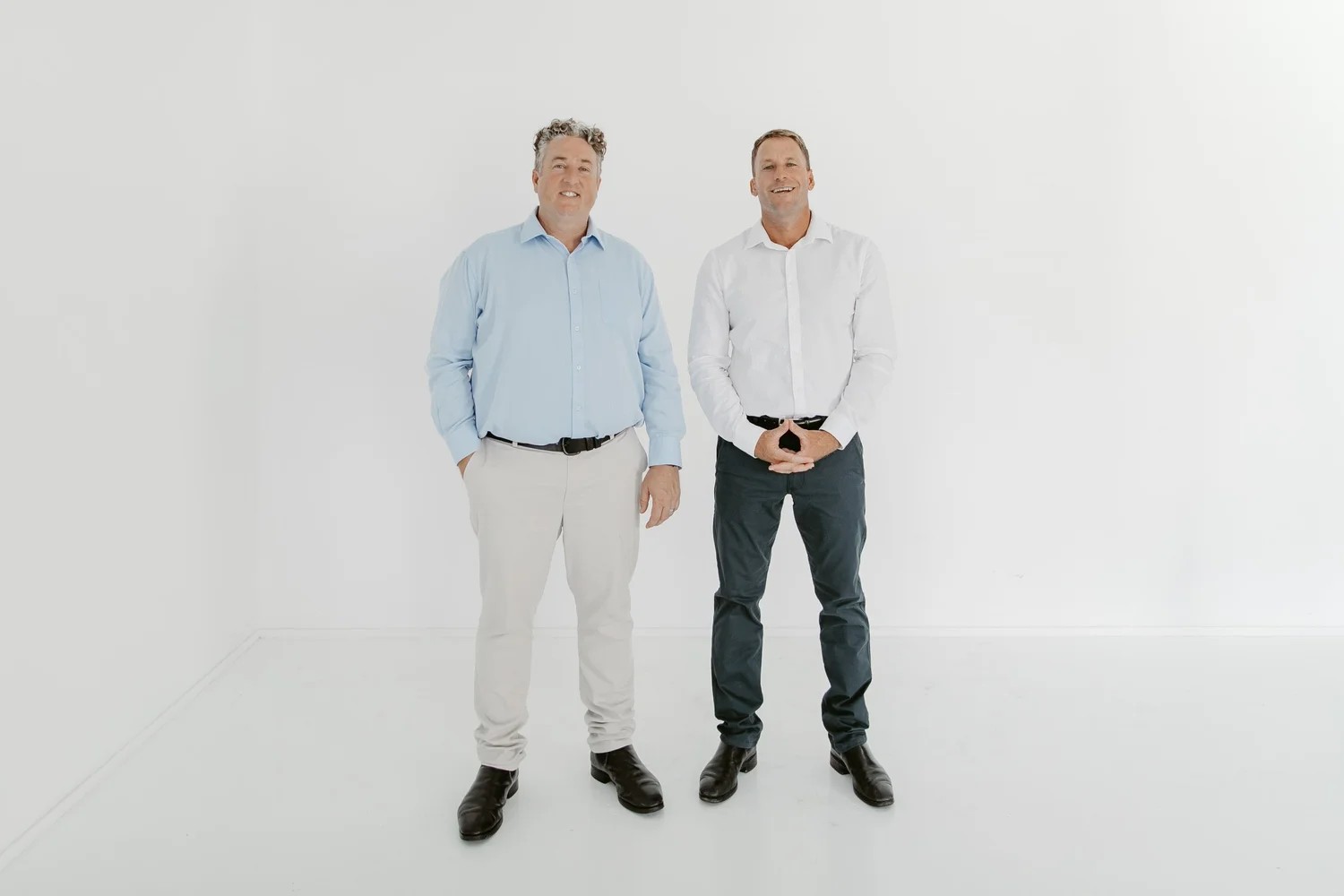
Mitch Griffiths & Chad Rapsey
Between them, Mitch and Chad bring decades of restructuring and personal-insolvency experience — and a calm, straight-talking approach that helps people understand exactly where they stand. When you get in touch, you'll speak with one of them directly.
As Registered Trustees, they're accountable for your matter from the first call to the final step. No handballing to junior staff.
What people ask us first
Straight answers to the questions we hear most. If yours isn't here, just ask on your first call.
Is my first conversation with you confidential?
Yes, completely. Your first call is free, private and carries no obligation. We're here to help you understand your options, not to pressure you into anything.
Will I lose my house if I go bankrupt?
Not necessarily — it depends on your circumstances, your equity and the options available to you. In many cases there are alternatives to bankruptcy. We'll explain exactly where you stand before you make any decision.
How long does bankruptcy last?
Bankruptcy normally lasts three years and one day, though some obligations can extend beyond that. We'll walk you through what applies to your situation and what life looks like during and after.
Can I deal with my debts without going bankrupt?
Often, yes. Informal arrangements, debt restructuring and Personal Insolvency Agreements can all be alternatives. On your first call we help you understand which of these fits your circumstances.
What's the difference between a Personal Insolvency Agreement and bankruptcy?
A Personal Insolvency Agreement is a formal, binding arrangement to compromise or repay debts while avoiding some of the consequences of bankruptcy. Bankruptcy is a broader statutory process that ends unmanageable debt with a defined start and end. We help you weigh both.
Read up before you reach out
Bankruptcy vs a Debt Agreement: which is right for me?
A plain-English comparison of the two most common paths out of personal debt.
What actually happens to your assets in bankruptcy
House, car, super and everyday belongings — what's protected and what isn't.
Life after bankruptcy: rebuilding your credit
The practical steps to getting back on your feet once bankruptcy ends.
Explore how else we can help
Business & company insolvency
Voluntary administration, liquidation and creditor arrangements for companies under pressure.
Visit pageTurnaround & restructuring
Small Business Restructuring and hands-on crisis management to save viable businesses.
Visit pageFor accountants & advisors
Confidential support and clear options papers when your clients face financial stress.
Visit pageOne conversation could change everything.
Call us, or leave your details and we'll call you back whenever suits you. Free, confidential, and no obligation.